
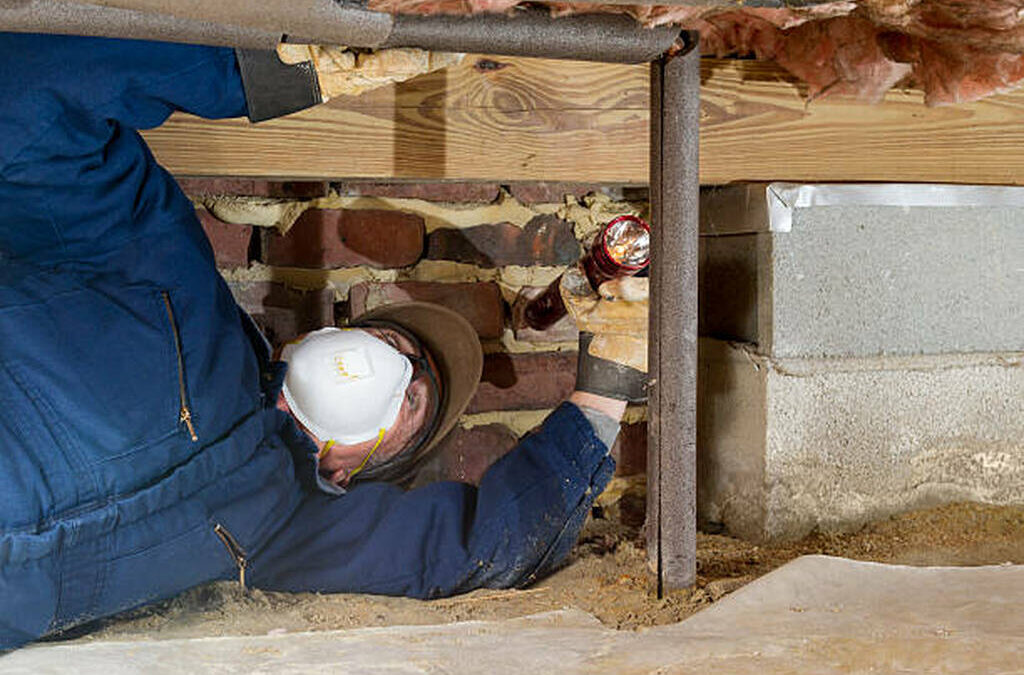
Ignoring crawlspace issues is like ignoring a termite infestation; the damage happens out of sight, but the financial consequences are incredibly loud. For many homeowners, the crawlspace is “out of sight, out of mind,” yet this dark zone supports the entire weight and environmental health of the structure above.
When a crawlspace foundation begins to fail due to moisture, rot, or soil settlement, the clock starts ticking on a rapidly inflating repair bill. Delaying action doesn’t just postpone the inevitable—it fundamentally changes the scope of the work from a simple stabilization to a full-scale structural overhaul.
Exponential Escalation of Construction Costs
The most immediate financial risk is the shift from “preventative” to “restorative” pricing. Catching a sagging joist early might require a simple adjustable jack post, whereas waiting until the floor has dropped two inches can necessitate replacing the entire subfloor and supporting beams.
- Minor Fix: Stabilizing a single pier or adding a moisture barrier usually costs a fraction of a major repair.
- Major Overhaul: Once rot spreads to the sill plate (the transition between your foundation and your walls), the entire house may need to be hydraulically lifted to swap out the lumber.
- Secondary Damage: A shifting crawlspace eventually cracks drywall, pops tiles, and breaks window seals, adding thousands in cosmetic repair costs to the structural bill.
Think of it as the difference between a small dental filling and a full root canal; the longer you wait, the more invasive—and expensive—the procedure becomes.
The “Vampire” Effect on Monthly Utility Bills
A compromised crawlspace often means your home is hemorrhaging energy through a process called the stack effect. Moist, unconditioned air from the ground is drawn up into your living space, forcing your HVAC system to work significantly harder to maintain a comfortable temperature.
- Humidity Load: Wet crawlspaces can increase indoor humidity by 20% or more, making your AC unit run longer cycles to dehumidify the air.
- Air Leaks: Gaps in the foundation or rim joists act like open windows, allowing expensive heated or cooled air to escape.
- Insulation Failure: When fiberglass insulation in the crawlspace gets damp, it loses its R-value and sags, leaving your floors freezing in the winter.
Over a few years, the excess energy spent can easily reach the thousands, essentially paying for the repair you’re trying to avoid.
Diminished Home Equity and Resale Roadblocks
In today’s real estate market, a “failing crawlspace” is a phrase that can terminate a sale instantly. Savvy buyers and home inspectors view crawlspace issues as a sign of deferred maintenance, often leading to aggressive price negotiations or the loss of the sale entirely.
- Disclosure Laws: Most states require you to disclose known foundation issues, which can scare away up to 80% of traditional buyers.
- The “Investor Discount”: If you must sell with a damaged foundation, you will likely only attract “cash-for-homes” investors who demand a 20-30% discount below market value.
- Lender Refusals: Many banks will refuse to issue a mortgage on a home with significant structural defects, making your pool of potential buyers very small.
Investing in the repair now preserves your equity, whereas ignoring it effectively hands your hard-earned wealth over to the next buyer in the form of a massive credit.
Cascading Plumbing and Mechanical Failures
The crawlspace is the “utility highway” for your home, housing your main sewer lines, water pipes, and often your HVAC ductwork. When the foundation shifts, these rigid systems are put under mechanical stress they weren’t designed to handle.
- Pipe Ruptures: A settling foundation can “shear” a PVC sewer line or pull a copper water pipe out of its fitting, leading to catastrophic water damage.
- Ductwork Separation: Shifting joists can pull ducts apart, blowing your AC directly into the crawlspace instead of your bedrooms.
- Slow Leaks: Subtle shifts can cause hairline fractures in pipes that go unnoticed for months, leading to hidden wood rot and mold.
The cost of a plumber to repipe a crawlspace often rivals the cost of the foundation repair itself, especially when emergency call-out fees are involved.
Toxic Mold Remediation and Health Costs
When a crawlspace is ignored, it often becomes a breeding ground for mold and mildew due to standing water or high humidity. Because of the stack effect, roughly 50% of the air you breathe on the first floor comes directly from the crawlspace.
- Remediation Costs: Professional mold removal requires specialized equipment and chemicals, often starting at several thousand dollars.
- Material Loss: Mold can eat through floor joists and subflooring, requiring expensive structural replacement rather than just cleaning.
- Healthcare Spends: While harder to quantify, the cost of treating chronic respiratory issues or allergies triggered by crawlspace spores is a real financial burden.
Waterproofing and repairing the crawlspace is not just a structural move; it’s a proactive step to avoid the high cost of a hazardous waste cleanup.
Reclaiming the Value of Your Structural Investment
The financial risk of ignoring an urgent crawlspace repair isn’t a single “lump sum” event; it is a compounding debt that grows through higher bills, lower home value, and escalating damage. By addressing the foundation today, you stop the bleeding and convert a liability back into an asset.
A dry, stable crawlspace is the silent guardian of your home’s total value. Choosing to repair it now is the only way to ensure that your biggest investment remains a source of wealth rather than a drain on your savings.