
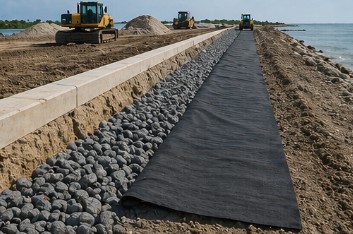
Hiring a contractor for sea wall repair is fundamentally different from hiring someone for a standard backyard fence or a residential driveway. Because these structures must withstand thousands of pounds of hydrostatic pressure and the corrosive effects of saltwater, the margin for error is incredibly thin.
Asking the right questions during the vetting process ensures you aren’t just hiring a general laborer, but a specialist who understands marine engineering. This due diligence is your primary defense against a repair that looks good on the surface but fails during the first significant storm surge of the season.
Specific Expertise in Marine Engineering and Hydrostatics
Sea walls fail primarily because of “hydrostatic pressure“—the weight of water trapped in the soil behind the wall. You need to know if your contractor understands how to equalize this pressure, or if they simply plan to patch visible cracks without addressing the root cause.
- “How do you plan to manage the water pressure behind the wall during and after the repair?”
- “Can you explain the specific drainage or ‘weep hole’ system you recommend for my specific shoreline?”
- “Have you worked with the specific soil types—such as expansive clay or loose sand—found on my property?”
A contractor who can’t explain the physics of water movement is likely to provide a “Band-Aid” fix that will lead to another failure within a few years.
Experience with Local Permitting and Environmental Regulations
Coastal repairs are heavily regulated by municipal building departments, environmental agencies, and sometimes the Army Corps of Engineers. A seasoned marine contractor should be intimately familiar with these hurdles and handle the paperwork as part of their standard service.
- “Which local and state permits are required for this specific type of coastal restoration?”
- “How do you ensure the repair complies with local environmental protections for marine life and water quality?”
- “Will you be providing a stamped engineering plan as part of the permitting process?”
Failing to secure the proper permits can result in massive fines or a “stop-work” order that leaves your shoreline exposed and vulnerable mid-project.
Use of Specialized Marine-Grade Materials
Saltwater and brackish environments are incredibly hostile to standard construction materials. You must verify that the contractor uses materials specifically rated for “marine immersion,” or you’ll find your new concrete spalling and your steel anchors rusting away within a decade.
- “What is the PSI rating and salt-resistance of the concrete mix you intend to use?”
- “Are the tie-backs and anchors made of galvanized steel, stainless steel, or composite materials?”
- “Do you use marine-grade epoxies or polyurethane resins for crack injections and soil stabilization?”
The longevity of your wall is directly tied to the chemistry of the materials used; cutting costs on “land-based” materials is a recipe for a structural disaster.
Documented History of Similar Shoreline Projects
The best predictor of a successful sea wall repair is a portfolio of similar projects that have already stood the test of time. A qualified professional should be able to point to specific walls in your area that have survived recent hurricanes or major storm events.
- “Can you provide references for sea wall restorations you completed more than five years ago?”
- “How many linear feet of sea wall have you repaired in this specific county or municipality?”
- “Do you have experience with the specific type of wall I have, whether it’s concrete, vinyl, or rip-rap?”
Experience in a different climate or a freshwater lake doesn’t translate to the unique stresses of a saltwater coastal environment.
Warranty Coverage and Long-Term Maintenance Support
A sea wall repair is a significant financial investment, and the warranty should reflect the contractor’s confidence in their workmanship. You need to understand exactly what is covered—and what isn’t—should the wall show signs of movement after the final payment is made.
- “What is the duration of the structural warranty on the labor and the specific materials?”
- “Does the warranty cover ‘settlement’ or ‘soil migration’ behind the newly repaired sections?”
- “Do you offer an ongoing maintenance plan to inspect the wall and clear drainage systems annually?”
A transferable warranty is also a powerful asset if you decide to sell your property, as it provides the next owner with documented proof of structural integrity.
Securing Your Shoreline Through Informed Vetting
Taking the time to interview your contractor with these targeted questions transforms you from a passive consumer into an informed protector of your property. By prioritizing engineering knowledge over the lowest bid, you ensure that your sea wall remains a formidable barrier against the ocean’s power.
The right specialist will welcome these questions as an opportunity to demonstrate their expertise and professionalism. Investing in a qualified expert today is the only way to guarantee that your home remains safe, secure, and valuable for decades to come.