
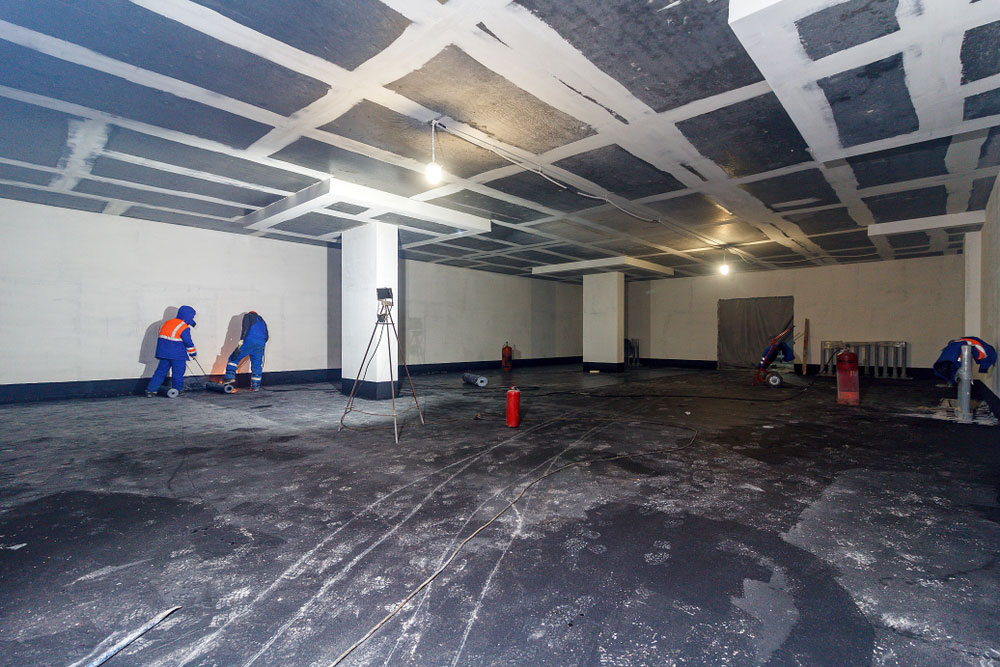
A professional waterproofing system is the primary defense against the immense hydrostatic pressure exerted by saturated soil surrounding a home’s foundation. While many homeowners view water as a seasonal annoyance, persistent moisture can lead to severe structural degradation and the growth of toxic mold environments.
Ensuring a basement stays dry for a lifetime requires a holistic engineering approach that manages water both outside and inside the foundation walls. By transitioning from reactive patches to an integrated system, property owners can protect their structural investment and maintain the usable square footage of their lower level indefinitely.
Strategic Exterior Grading and Surface Drainage
The first line of defense is ensuring that surface water never reaches the foundation wall in the first place. Professionals analyze the topography of the lot to ensure that the “grade” or slope of the soil pulls water away from the structure at a rate of at least one inch per foot for the first six feet.
- Clear all debris from gutter systems and ensure downspouts discharge at least ten feet away from the home’s perimeter.
- Utilize catch basins in low-lying areas of the yard to prevent pooling water from saturating the “backfill” zone near the basement.
- Monitor for soil erosion near the foundation, which can create “troughs” that funnel rain directly into the basement walls.
Effective surface management reduces the sheer volume of water the foundation must resist, significantly extending the lifespan of any subterranean waterproof coating.
High-Performance Exterior Vapor Barriers
Once water reaches the foundation, it must be blocked by a durable, physical barrier that prevents moisture from wicking through the porous concrete. Modern professional systems use heavy-duty dimpled membranes or polymer-modified asphalt coatings that remain flexible even as the ground freezes and thaws.
- Apply a “dimpled” drainage board over the primary sealant to create an air gap that allows water to fall straight down to the footer.
- Ensure the membrane is mechanically fastened and “sealed” at the top edge to prevent dirt or debris from clogging the drainage path.
- Verify that the footer is properly parged and smoothed before the barrier is applied to ensure a continuous, puncture-free seal.
A high-quality exterior barrier ensures that the foundation remains dry to the touch, preventing the “sweating” and high humidity levels typical of unsealed basements.
Advanced Interior Perimeter Drainage
Even with exterior protection, high water tables can force moisture up through the “cove joint,” where the wall meets the floor. A professional interior drainage system, often referred to as a “French Drain,” involves a sub-floor channel that collects this groundwater and redirects it to a central location.
- Install a perforated pipe in a bed of washed gravel beneath the basement floor to collect rising groundwater before it hits the slab.
- Use “wall flanges” that sit behind the drywall or paneling to catch any condensation or seepage from the walls and guide it into the drain.
- Ensure the system is designed to handle “surges” during heavy storms, preventing the floor from heaving under pressure.
This internal relief valve is the most effective way to manage the hydrostatic pressure that causes floors to crack and walls to bow over time.
High-Capacity Sump Pump Integration
The “heart” of any basement waterproofing system is the sump pump, which is responsible for physically removing collected water from the home. A professional installation features a deep, perforated basin and a high-performance pump capable of discharging thousands of gallons of water per hour.
- Opt for a dual-pump configuration with a primary pump for daily use and a secondary “backup” for extreme weather events.
- Install a dedicated battery backup power source to ensure the system continues to operate during power outages when storms are at their peak.
- Maintain a clear, non-restrictive discharge line that carries the water far enough away to prevent it from recycling back into the ground.
A reliable sump pump system provides the final guarantee that water will be expelled from the property before it can cause damage to finished basements.
Permanent Crack Injection and Reinforcement
If the foundation has already developed cracks, professionals use specialized chemical injections rather than topical sealants to restore structural integrity. These materials expand to fill the entire depth of the crack, creating a permanent, flexible seal that moves with the house.
- Inject polyurethane or epoxy resins directly into the core of the foundation wall to create an airtight and watertight bond.
- Apply carbon fiber reinforcement straps to walls that show signs of bowing or inward movement due to external pressure.
- Seal the “cove joint” and any floor cracks with high-grade industrial sealants to prevent the infiltration of radon gas and moisture.
Targeting the specific points of failure ensures that the home’s structure is not only dry but also fortified against the shifting forces of the local soil.
Securing Your Home’s Structural Future and Value
Investing in a comprehensive waterproofing system is the most effective way to secure the long-term value and safety of your property. By addressing the root causes of moisture infiltration, you eliminate the threat of structural decay and create a healthier environment for your entire family.
A dry basement is a versatile asset that adds significant equity to your home while providing peace of mind during the harshest weather. When the foundation is fortified with professional-grade technology, your home is prepared to stand tall and dry for a lifetime.